


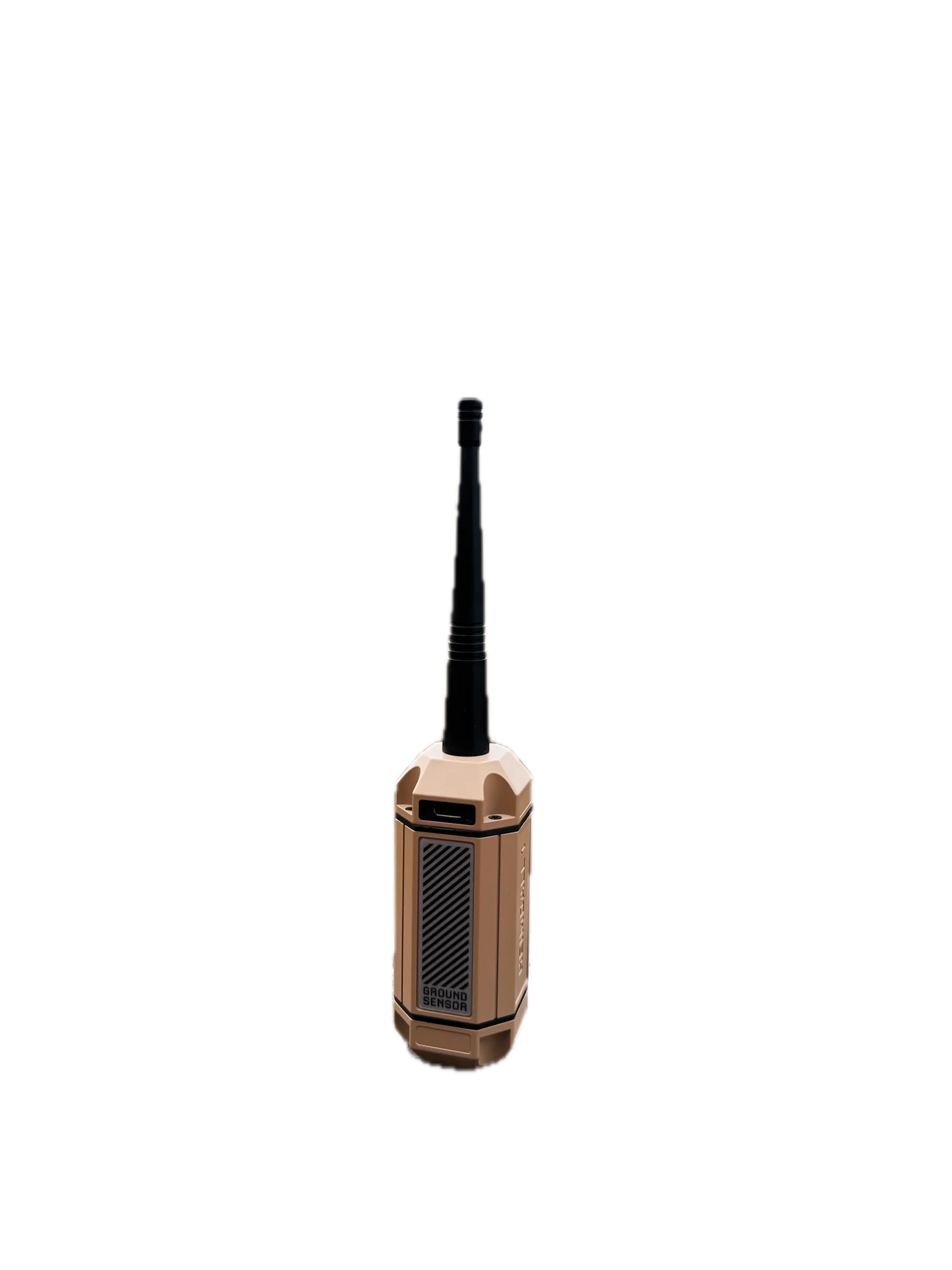
Six yearsin the making.
The story of how a sleepless night in the woods turned into a six-year project.

It started with a camping trip.
We shared the Swedish woods with what looked like a cult: naked people wandering around, performing rituals with horrifying, witch-like screams. Close by, a group of drunks made plenty of noise of their own.
We did not get much sleep that night.
And on the way home, I had an idea:
Maybe I could build a portable alarm that would warn us if something approached our campsite?
How hard
could it be?
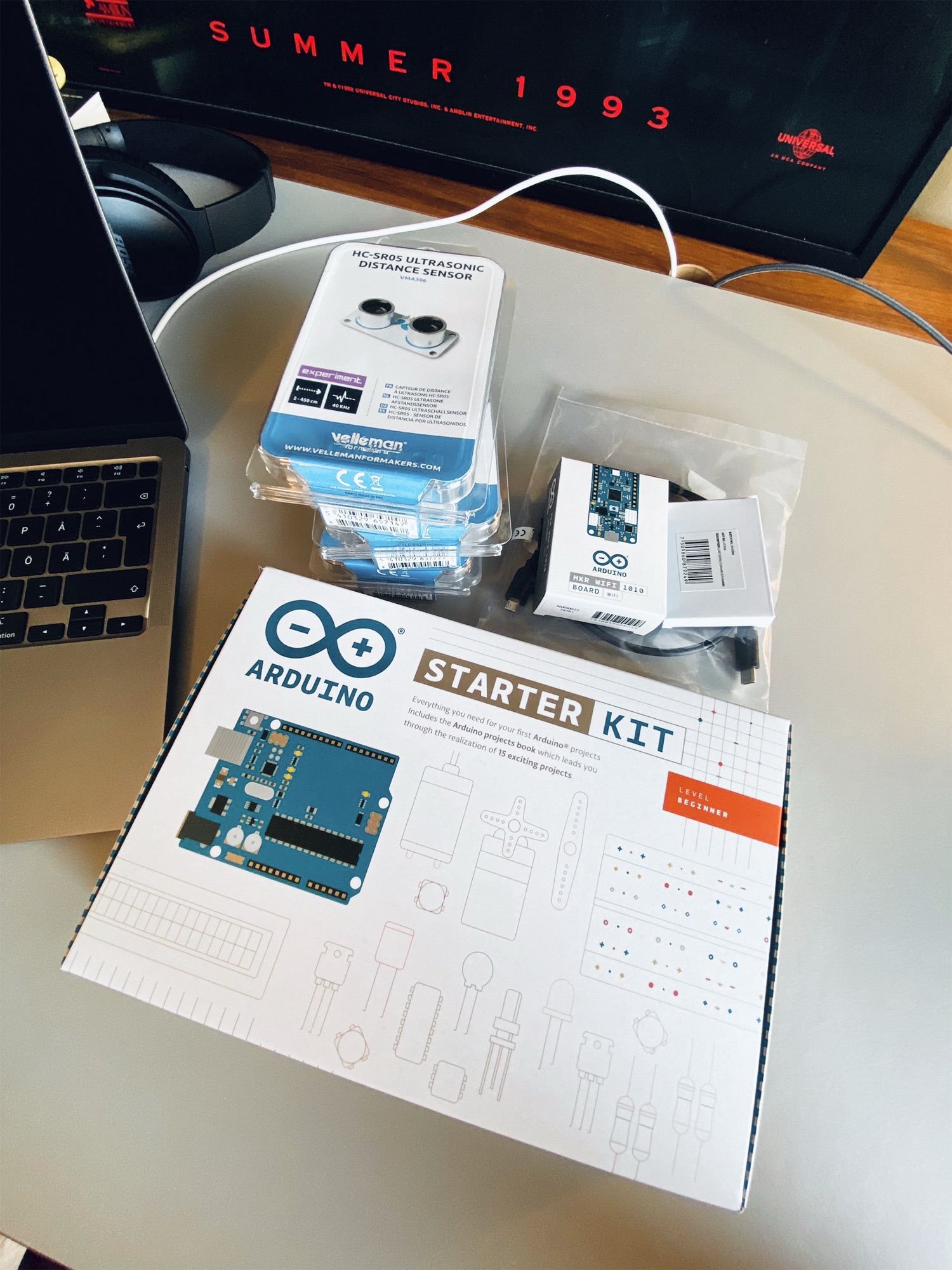
I had zero electronics experience, but figured I could build a simple prototype using Arduinos and matchboxes.
Three days later, I bought my first Arduino starter kit.

My office became a lab.
Soon I was experimenting with motion sensors and radars, designing my own circuit boards, 3D printing enclosures, and testing prototypes in the woods.

Pretty hard, it turns out.
After almost two years of late nights and failed tests, I still couldn’t get radar or other motion sensors to work reliably enough outdoors.
But what about
seismic sensors?
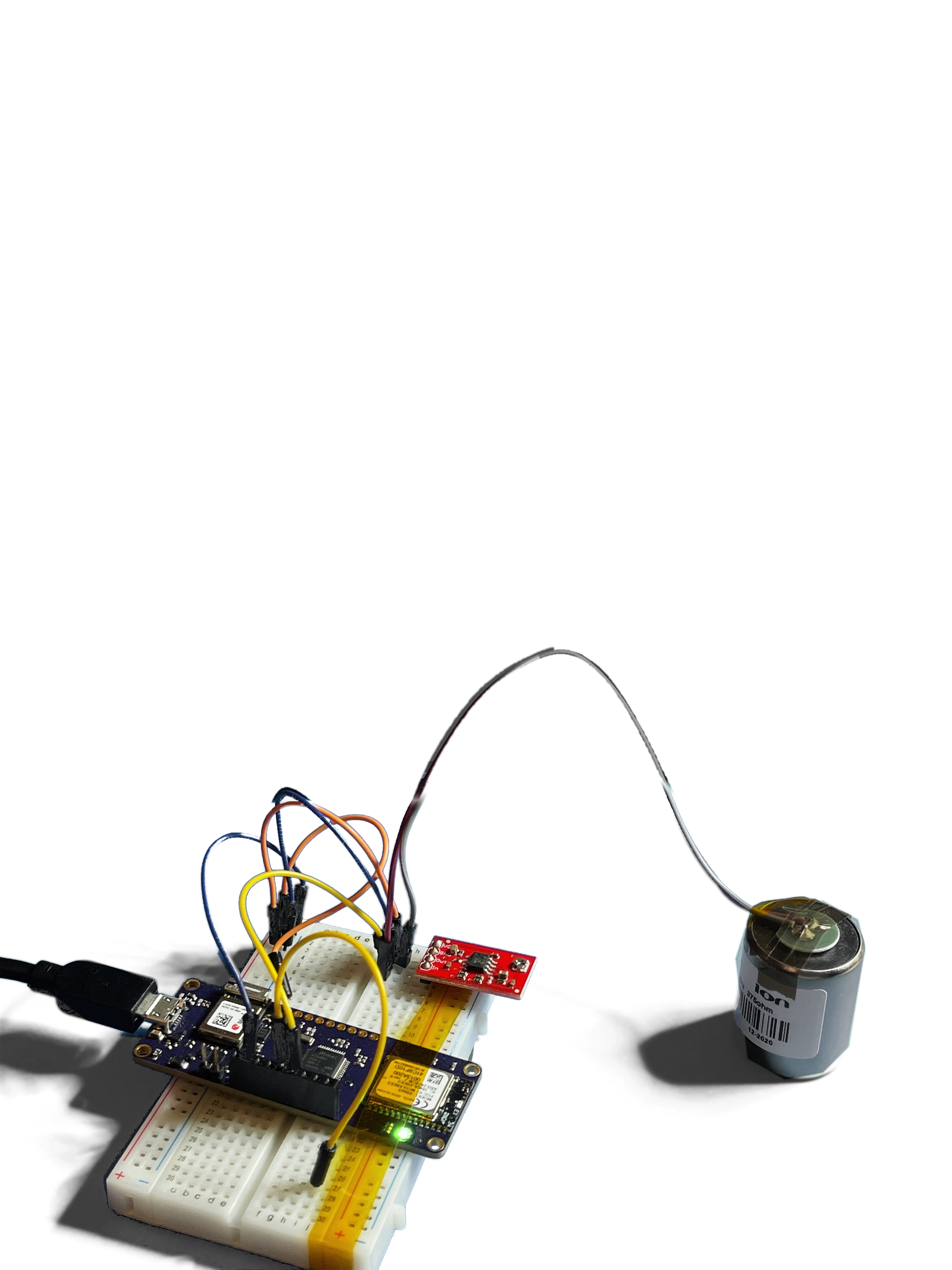
I started experimenting with sensors that could feel the tiny vibrations footsteps send through the ground.
It seemed promising, but getting it to work well turned out to be a much bigger challenge than I expected…

Still building, six years later.
Recent Heimdall field tests have detected footsteps at up to 98 meters (322 feet), and the new alarm system is showing promising results.
There’s still plenty of work ahead, especially testing with wildlife.
But I’m much closer to making my original idea a reality.

The Sensor.
What six years of building turned into. The electronics, the enclosure, the finish and the battery, up close.
See the sensor